
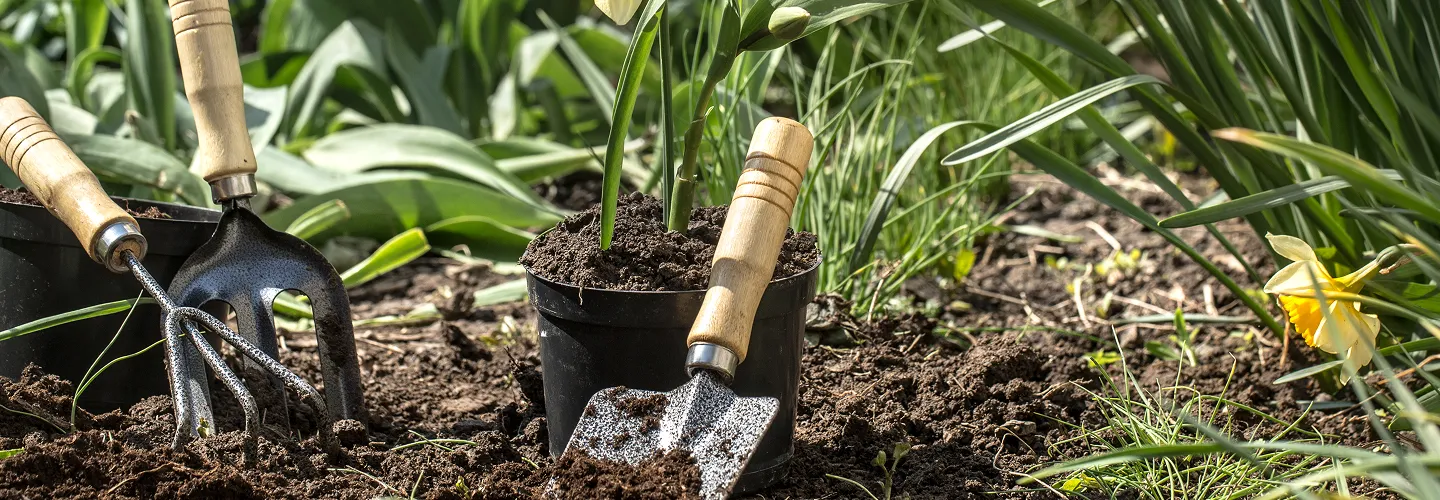
Buckingham Brush Removal Services
Choose our brush removal services for fast, reliable clearing that enhances safety, boosts curb appeal, and prepares your property for any project—handled by experienced professionals who care about your land.
Get a Free QuoteOur Buckingham Landscaping & Yard Care Services
When to Schedule Brush Removal in Buckingham, Florida – Seasonal Guide
In Buckingham, Florida, timing your brush removal is crucial for maintaining a healthy and attractive landscape. The region’s subtropical climate means that vegetation grows rapidly, especially during the warm, humid months. Optimal brush removal is typically scheduled in late winter or early spring, just after the last frost date and before the onset of the rainy season. This timing helps prevent regrowth and minimizes disruption to local wildlife. Neighborhoods near Orange River Boulevard and the shaded lots around Buckingham Community Park often experience dense undergrowth due to high humidity and rich, loamy soils. Homeowners should also consider the risk of drought in late spring and summer, as removing brush before these periods can reduce fire hazards and improve soil moisture retention. For more information on local environmental guidelines, visit the Sudbury municipal resource.
Local Factors to Consider for Brush Removal in Buckingham
- Tree density and type of vegetation (e.g., palmetto, oak, pine)
- Proximity to water bodies like the Orange River
- Seasonal precipitation patterns and risk of flooding
- Soil type and drainage characteristics
- Municipal restrictions and permit requirements
- Shade coverage and sun exposure
- Accessibility of terrain, especially in areas near Buckingham Trails Preserve
Benefits of Brush Removal in Buckingham

Enhanced Curb Appeal
Improved Property Safety
Prevention of Pest Infestations
Increased Usable Outdoor Space
Reduced Fire Hazards
Professional and Efficient Service

Buckingham Brush Removal Types

Manual Brush Clearing
-
Mechanical Brush Removal
-
Selective Brush Thinning
-
Brush Mulching
-
Controlled Burning
-
Herbicide Application
-
Stump Grinding
Our Brush Removal Process
Site Evaluation
Safety Preparation
Brush Clearing
Debris Removal
Final Inspection
Why Choose Buckingham Landscape Services
-
Buckingham Homeowners Trust Us
-
Expert Lawn Maintenance
-
Competitive Pricing
-
Professional Team
-
Satisfaction Guarantee
-
Personalized Service
-
Reliable Scheduling
Coordinating Brush Removal Through Lee County Public Works in Buckingham
Buckingham is an unincorporated community in eastern Lee County, meaning all municipal services—including vegetative debris collection and right-of-way maintenance—fall under Lee County government rather than a city administration. Residents and property managers should coordinate brush removal activities with Lee County's transportation and public works operations, which oversee roadside clearance, swale maintenance, and storm-related debris management throughout unincorporated areas. Before placing brush piles curbside, property owners should verify current collection schedules and bundling or size requirements directly with the county, as guidelines may change seasonally or following tropical weather events.
- Brush and vegetative debris placed in county rights-of-way must not obstruct drainage swales, culvert openings, or roadside ditches
- Separate brush from household waste, construction materials, and non-vegetative debris before placement
- After major storm events, Lee County may activate supplemental debris collection routes; monitor county announcements for updated pickup timelines
- Commercial brush removal operations generating large volumes should confirm disposal routing through approved county transfer or processing facilities
Lee County Department of Transportation
Official Website: Lee County Department of Transportation
For questions about zoning restrictions that may affect brush clearing on specific parcels—particularly near environmentally sensitive overlays or preservation buffers—the Lee County Department of Community Development can provide land-use guidance.
Lee County Department of Community Development
Official Website: Lee County Department of Community Development
How Buckingham's Subtropical Climate and Soils Shape Brush Accumulation
Buckingham sits in USDA Hardiness Zone 10a, within the Gulf Coast Florida subtropical belt. The area receives roughly 55 inches of annual rainfall, with the majority concentrated between June and October. This wet-season pattern drives rapid vegetative growth, meaning brush—including volunteer saplings, palm frond accumulations, and invasive woody species—can overtake fence lines, drainage corridors, and property edges within a single growing season.
- Sandy, poorly drained soils: Much of eastern Lee County features fine sandy soils with limited organic content and a seasonally high water table, which can complicate equipment access during wet months and accelerate shallow-rooted brush regrowth
- Humidity and decomposition: Buckingham's sustained summer humidity slows the drying of cut brush piles, increasing the risk of fungal growth, pest harborage, and spontaneous composting odors if material is not removed promptly
- Canal and ditch proximity: Many Buckingham properties border agricultural drainage canals or county-maintained ditches; loose brush that migrates into these waterways can obstruct flow and contribute to downstream flooding
- Storm debris surges: Hurricane and tropical storm events generate sudden volumes of downed limbs, palm fronds, and uprooted vegetation that require organized removal to restore access and drainage function
Understanding these conditions helps property owners plan brush removal timing and disposal logistics rather than reacting only after overgrowth becomes a code or safety concern.
Navigating Lee County Regulations and Environmental Compliance for Brush Removal
Brush removal in Buckingham must account for several layers of county and state regulation. Lee County's land development code includes tree protection requirements that may apply when brush clearing involves the removal of protected tree species or work within designated environmental overlays. Property owners should verify whether specific trees on their parcel are classified as protected before authorizing clearing, as unauthorized removal can trigger code enforcement action and mitigation obligations.
- Clearing brush near wetlands, conservation easements, or mapped floodplain areas may require coordination with the South Florida Water Management District; the Florida DEP Water Management Districts page identifies jurisdictional boundaries
- Brush debris must not be pushed, dumped, or burned in drainage canals, retention ponds, or stormwater conveyance systems; the Florida DEP NPDES Stormwater Program governs discharge protections that apply to Lee County's municipal stormwater system
- Open burning of brush piles in unincorporated Lee County is subject to Florida Forest Service authorization and may be restricted during dry-season burn bans or air-quality advisories
- If brush removal involves herbicide application to prevent regrowth of invasive species, applicators must hold valid credentials under FDACS Pesticide Applicator Certification and Licensing
Lee County Zoning
Official Website: Lee County Zoning
Timing and Methods for Professional Brush Removal in Buckingham's Climate
Effective brush removal in Buckingham requires scheduling around the area's pronounced wet and dry seasons. The dry season—typically November through May—offers firmer ground conditions, reduced mosquito pressure, and easier equipment access, making it the preferred window for large-scale clearing. However, brush accumulation accelerates most during the wet season, so properties adjacent to canals, swales, or roadways may require mid-summer intervention to maintain drainage flow and visibility.
- Mechanical clearing: Brush cutters, forestry mowers, and skid-steer attachments are commonly used on larger Buckingham parcels, particularly on semi-rural lots with dense palmetto, Brazilian pepper, or melaleuca regrowth
- Hand clearing: Smaller residential lots, fence-line edges, and areas near utilities or irrigation infrastructure typically require hand-tool methods to avoid damaging adjacent improvements
- Chipping and hauling: On-site chipping reduces transport volume; chips may be repurposed as temporary ground cover on sandy soils, though they should not be placed where they could wash into drainage structures during heavy rain
- Stump and root treatment: When invasive species such as Brazilian pepper are cut, stump treatment with approved herbicides may be necessary to prevent rapid resprouting; this work must comply with state pesticide regulations
- Post-removal stabilization: Exposed sandy soils in Buckingham erode quickly under heavy rainfall; seeding, sodding, or mulching cleared areas promptly helps prevent sediment from entering nearby waterways
Contractors and property owners should confirm that all cut material is transported to an approved disposal or processing facility rather than side-cast into adjacent lots or waterways.
What Neighborhoods Do We Serve Throughout Buckingham, FL?
- Buckingham Estates: Larger residential lots in this area often feature mature oak canopy and palmetto understory that generate significant brush volume, particularly after wind events or seasonal dieback.
- Orange River Corridor: Properties along the Orange River face heightened brush management needs due to riparian vegetation, canal-edge growth, and county drainage maintenance requirements.
- Buckingham Road Corridor: Parcels fronting Buckingham Road must maintain clear sight lines and swale access, making routine brush removal along road frontage a recurring maintenance priority.
- Lehigh Acres Border Area: Transitional lots near the Lehigh Acres boundary often sit on fill soils with mixed drainage characteristics, where brush regrowth can be aggressive following land disturbance.
- East Lee County Agricultural Parcels: Semi-rural and agricultural properties in eastern Buckingham contend with dense invasive brush species and may require mechanical clearing methods suited to larger acreage.
- Hickey Creek Preserve Vicinity: Properties adjacent to conservation lands should coordinate brush removal carefully to avoid encroachment into protected buffers or disruption of natural drainage patterns.